On This Page
Hospitals are among the most energy-intensive commercial buildings in operation anywhere in the world, and Tamil Nadu's healthcare facilities are no exception. A typical multi-speciality hospital consumes 2 to 10 times more electricity per square foot than a standard commercial office building, driven by HVAC systems, medical equipment, operating theatres, intensive care units, diagnostic laboratories, and round-the-clock lighting. For hospital administrators managing increasingly tight budgets and rising operational costs, electricity bills represent one of the largest recurring expenses after staff salaries and pharmaceutical procurement.
Tamil Nadu's healthcare sector -- spanning government district hospitals, private multi-speciality chains, single-speciality centres, standalone clinics, and teaching hospitals -- is uniquely positioned to benefit from solar energy. With TANGEDCO commercial tariffs at Rs 7-9 per unit and hospitals consuming power 24 hours a day, 365 days a year, the financial case for rooftop solar is compelling. But the argument goes beyond cost savings. Solar with battery backup adds a critical layer of energy security for life-saving equipment -- ventilators, cardiac monitors, infusion pumps, and operating theatre systems -- where even a momentary power interruption can have irreversible consequences.
This guide provides a detailed technical and financial analysis of solar energy adoption for hospitals in Tamil Nadu, covering everything from energy load profiling and system sizing to safety compliance, hybrid architecture design, and government incentives specific to the healthcare sector.
Understanding the Hospital Energy Profile
Before designing a solar system for any hospital, it is essential to understand where electricity is actually consumed. Hospital energy profiles are fundamentally different from those of factories, commercial offices, or residential complexes. The diversity of loads, the criticality of certain systems, and the 24/7 operational requirement create a unique energy demand pattern that must be carefully mapped.
HVAC: The Dominant Load (40-50% of Total Consumption)
Heating, ventilation, and air conditioning systems are by far the largest electricity consumers in any hospital. In Tamil Nadu's tropical climate, cooling loads are significant for 10-11 months of the year. Hospital HVAC is not merely about comfort -- it is a clinical requirement. Operating theatres demand precise temperature and humidity control (typically 18-24 degrees Celsius with 30-60% relative humidity). Isolation wards require negative pressure environments. Pharmaceutical storage areas need temperature-controlled conditions. Labour rooms, ICUs, and NICUs all have specific HVAC requirements mandated by infection control protocols.
Central chillers, air handling units (AHUs), fan coil units (FCUs), and exhaust systems collectively account for 40-50% of a hospital's total electricity bill. In a 200-bed hospital, the HVAC connected load alone can range from 150 to 350 kW.
Medical Equipment and Diagnostic Systems
Diagnostic imaging equipment represents significant intermittent loads. A single MRI machine draws 30-50 kW during scanning. CT scanners operate at 20-40 kW. X-ray machines produce sharp, short-duration power spikes. Ultrasound systems, while lower in consumption (1-3 kW each), are used continuously throughout the day across multiple departments.
Beyond diagnostics, every department has its own equipment load. Dialysis machines in nephrology units consume 2-3 kW each, and a 10-station dialysis unit operates 12-16 hours daily. Ventilators in ICUs draw 0.3-0.5 kW each but must operate without any interruption. Cardiac catheterization labs have connected loads of 30-60 kW. Surgical robots, where installed, add another 5-10 kW per system.
Operating Theatre Lighting and Equipment
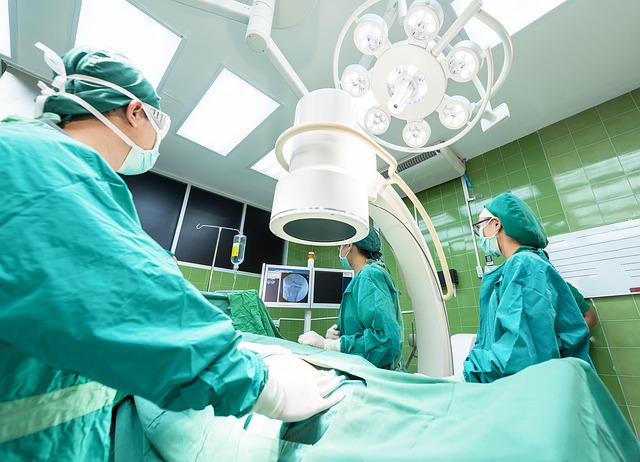
Each operating theatre is an energy-intensive environment. Surgical lights (LED or halogen), electrosurgical units (cautery machines), anaesthesia workstations, patient monitoring systems, surgical navigation systems, and laminar airflow systems collectively draw 15-40 kW per OT. A hospital with 6-8 operating theatres running 10-12 hours daily creates a substantial and critical electrical load that demands absolutely uninterrupted power.
Laboratories and Pathology
In-house pathology labs run biochemistry analysers, haematology analysers, microbiology incubators, centrifuges, deep freezers (-20 and -80 degree units), and refrigerated storage for blood banks. A well-equipped lab in a 200-bed hospital consumes 10-25 kW continuously. Blood bank refrigeration alone can account for 3-5 kW running 24/7.
CSSD (Central Sterile Supply Department)
The CSSD is a frequently overlooked but significant energy consumer. Steam autoclaves used for instrument sterilization consume substantial electricity and water. A large autoclave (500-800 litre capacity) draws 15-30 kW per cycle, and a busy hospital may run 6-10 cycles per day. Ethylene oxide (ETO) sterilizers, plasma sterilizers, washer-disinfectors, and drying cabinets add to the load. Monthly CSSD electricity consumption in a 200-bed hospital can reach 3,000-5,000 units.
Laundry and Kitchen
Hospital laundry processes 8-15 kg of linen per bed per day. Industrial washing machines, tumble dryers, ironing calendars, and steam presses collectively consume 20-50 kW in a medium-sized hospital. The hospital kitchen -- serving patients, staff, and visitors -- operates commercial cooking equipment, walk-in cold rooms, dishwashers, and exhaust systems that add another 15-40 kW to the load.
Other Loads: Lifts, Pumps, Lighting, and IT
Passenger and service lifts (10-30 kW), water treatment plants, sewage treatment plants, borewell pumps (10-30 kW collectively), corridor and ward lighting (15-50 kW), parking area lighting, IT server rooms, PACS (Picture Archiving and Communication System) servers, hospital information systems, and administrative computing -- all contribute to the total connected load.
Comprehensive Equipment Load Table
| Equipment Category | Connected Load Range | % of Total Bill | Operating Hours | Criticality Level |
|---|---|---|---|---|
| Central HVAC (chillers, AHUs, FCUs) | 100-350 kW | 40-50% | 18-24 hrs/day | High |
| Operating theatres (per OT) | 15-40 kW | 8-12% | 10-14 hrs/day | Critical |
| ICU and critical care monitoring | 5-15 kW per unit | 3-5% | 24 hrs/day | Critical |
| Diagnostic imaging (CT, MRI, X-ray) | 20-100 kW | 5-8% | 8-14 hrs/day (intermittent) | High |
| CSSD sterilization | 15-40 kW | 3-5% | 8-12 hrs/day | High |
| Laboratory and pathology | 10-25 kW | 3-5% | 12-24 hrs/day | High |
| Laundry | 20-50 kW | 3-5% | 8-10 hrs/day | Medium |
| Kitchen and canteen | 15-40 kW | 3-5% | 10-14 hrs/day | Medium |
| Lifts and escalators | 10-30 kW | 2-4% | 16-24 hrs/day | High |
| Water pumps, STP, borewell | 10-30 kW | 3-5% | 12-18 hrs/day | Medium |
| Lighting (all areas) | 15-50 kW | 5-8% | 12-24 hrs/day | Medium-High |
| IT, servers, HIS, PACS | 5-20 kW | 2-4% | 24 hrs/day | High |
| Blood bank refrigeration | 3-5 kW | 1-2% | 24 hrs/day | Critical |
Hospital Size Categories: From Clinics to Super-Speciality Centres
Energy consumption varies dramatically based on hospital size, speciality mix, and operational intensity. Understanding where your facility falls in this spectrum is essential for accurate solar sizing.
Small Clinics and Nursing Homes (10-50 Beds)
Small clinics and nursing homes typically operate with limited diagnostic equipment, 1-2 operating theatres, basic laboratory facilities, and window or split AC systems rather than central HVAC. Monthly consumption ranges from 8,000 to 50,000 units. These facilities often have simpler electrical architectures, making solar integration relatively straightforward. A 30-80 kW rooftop system can offset 50-70% of their daytime consumption.
Multi-Speciality Hospitals (100-200 Beds)
Mid-sized multi-speciality hospitals represent the sweet spot for solar adoption. They have significant electricity bills (Rs 5-15 lakh per month), adequate rooftop and carport space, and organizational capacity to manage solar procurement. These hospitals typically have central HVAC, multiple OTs, CT and possibly MRI equipment, well-equipped labs, and full CSSD and laundry operations. Monthly consumption ranges from 70,000 to 1,80,000 units.
Super-Speciality and Teaching Hospitals (300-500+ Beds)
Large super-speciality hospitals and medical colleges are major electricity consumers with monthly bills often exceeding Rs 20-40 lakh. These facilities run energy-intensive equipment like multiple MRI machines, catheterization labs, radiation therapy (linear accelerators consuming 10-20 kW), PET-CT scanners, and research laboratory equipment. Their consumption ranges from 2,00,000 to 8,00,000 units monthly. Solar solutions for these hospitals often combine rooftop installations with solar carports and potentially open-access solar procurement for larger capacities.
Consumption Comparison by Hospital Size
| Parameter | Small (50-bed) | Medium (200-bed) | Large (500-bed) |
|---|---|---|---|
| Connected load | 80-150 kW | 300-600 kW | 800-1,500 kW |
| Monthly consumption | 25,000-50,000 units | 1,00,000-1,80,000 units | 3,00,000-6,00,000 units |
| Monthly electricity bill | Rs 2-4 lakh | Rs 8-14.4 lakh | Rs 24-48 lakh |
| Annual electricity cost | Rs 24-48 lakh | Rs 96 lakh-1.7 crore | Rs 2.9-5.8 crore |
| Daytime consumption (%) | 55-60% | 58-65% | 55-62% |
| Peak demand hours | 10 AM - 4 PM | 9 AM - 5 PM | 9 AM - 6 PM |
| DG backup hours/month | 30-60 hrs | 40-80 hrs | 50-100 hrs |
| DG fuel cost/month | Rs 30,000-80,000 | Rs 1-3 lakh | Rs 3-8 lakh |
Why Hybrid Solar Makes Sense for 24/7 Hospital Operations
Hospitals cannot afford power interruptions. Unlike a factory that can pause production during a power cut or a commercial building where a brief outage is merely inconvenient, hospitals must maintain continuous power to life-support systems, monitoring equipment, and surgical environments. This 24/7 requirement is precisely why a hybrid solar system -- combining solar panels, battery storage, grid connection, and diesel generator backup -- is the optimal architecture for healthcare facilities.
The Problem with Grid-Only and DG-Only Approaches
Tamil Nadu experiences scheduled and unscheduled power interruptions that can total 30-100 hours per month depending on the area. Hospitals currently bridge these gaps with diesel generators, which are expensive (Rs 18-25 per unit of electricity generated), noisy, polluting, and require 5-15 seconds for switchover -- a dangerous delay for critical care equipment. Running DG sets also requires substantial diesel inventory management, regular maintenance, and creates air quality concerns in a healthcare environment.
On the other hand, a purely on-grid solar system generates power only during daylight hours and provides zero backup during outages. While it reduces electricity bills significantly, it does not address the reliability concern that is paramount for hospitals.
The Hybrid Solar Solution
A hybrid solar architecture addresses both cost and reliability simultaneously. During daytime, solar panels generate electricity that powers hospital loads directly, with excess energy either stored in batteries or exported to the grid under net metering. During grid outages, the battery storage system (BESS) instantly takes over critical loads with zero switchover delay -- far superior to the 5-15 second DG startup time. The DG set remains as a tertiary backup for extended outages or situations where both solar and battery are insufficient.
This layered approach -- solar as primary, battery as instant backup, grid as secondary, and DG as emergency -- provides hospital-grade power reliability while dramatically reducing operating costs.
Critical Load vs Non-Critical Load Separation
Effective hospital solar design requires clear separation of electrical loads into categories:
Critical loads (must never lose power, zero-delay switchover required):
- ICU ventilators and patient monitors
- Operating theatre lights and equipment during active surgery
- Cardiac catheterization lab during procedures
- Emergency department essential systems
- Blood bank refrigeration
- Neonatal ICU (NICU) incubators and warmers
- Oxygen concentrator banks
Essential loads (short delay acceptable, DG backup sufficient):
- HVAC for OTs, ICUs, and sterile areas
- Lifts (at least one service lift)
- Pharmacy refrigeration
- Laboratory deep freezers
- CSSD autoclaves during active cycles
- Hospital information system servers
Non-critical loads (can tolerate brief interruptions):
- General ward lighting and fans
- Administrative area HVAC and computing
- Laundry and kitchen (can be scheduled)
- Parking area lighting
- Garden and landscape lighting
- Non-essential lifts
This load segregation directly informs battery storage sizing. Critical loads might total only 30-80 kW in a 200-bed hospital, meaning a 100-200 kWh battery bank can sustain them for 1-3 hours -- sufficient to cover most grid outages without starting the DG at all.
Solar System Sizing by Hospital Bed Count
Proper solar system sizing balances available rooftop area, electricity consumption patterns, budget, and the desired percentage of solar offset. The following recommendations are based on Tamil Nadu's solar irradiance of 4.5-5.5 kWh per square metre per day and typical hospital consumption patterns.
50-Bed Hospital: 50-100 kW System
A 50-bed hospital or nursing home typically has 3,000-6,000 sq ft of usable rooftop area after accounting for water tanks, AC units, and lift machine rooms. A 50-100 kW system requires approximately 2,500-5,000 sq ft (using 540 Wp panels) and generates 6,500-13,000 units per month. This offsets 25-50% of total consumption and 40-70% of daytime consumption.
Recommended battery backup: 30-50 kWh lithium-ion BESS for critical loads (ICU monitors, emergency lighting, blood bank refrigeration), providing 1-2 hours of critical load autonomy.
200-Bed Hospital: 150-300 kW System
Mid-sized hospitals often have multiple building blocks, providing 10,000-20,000 sq ft of cumulative rooftop space. Additionally, parking areas can accommodate solar carports, adding another 5,000-15,000 sq ft of installation area. A 150-300 kW system generates 19,500-39,000 units per month, offsetting 20-35% of total consumption and 35-55% of daytime loads.
Recommended battery backup: 100-200 kWh BESS for critical and essential loads, providing 1.5-3 hours of autonomy for ICUs, OTs, and emergency systems.
500-Bed Hospital: 400-800 kW System
Large hospitals require creative use of every available surface -- rooftops across all building blocks, multi-level carports, covered walkways, and sometimes adjacent land parcels. A 400-800 kW system generates 52,000-1,04,000 units per month. For consumption beyond what rooftop solar can provide, hospitals should explore open-access solar procurement for additional savings.
Recommended battery backup: 200-500 kWh BESS for critical loads, with phased expansion capability. At this scale, the battery system should integrate with the hospital's existing automated transfer switch (ATS) and power management system.
Solar Sizing Summary Table
| Parameter | 50-Bed Hospital | 200-Bed Hospital | 500-Bed Hospital |
|---|---|---|---|
| Recommended solar capacity | 50-100 kW | 150-300 kW | 400-800 kW |
| Rooftop area required | 2,500-5,000 sq ft | 7,500-15,000 sq ft | 20,000-40,000 sq ft |
| Monthly generation | 6,500-13,000 units | 19,500-39,000 units | 52,000-1,04,000 units |
| Daytime load offset | 40-70% | 35-55% | 30-50% |
| Battery backup (BESS) | 30-50 kWh | 100-200 kWh | 200-500 kWh |
| Critical load autonomy | 1-2 hours | 1.5-3 hours | 2-4 hours |
| Carport potential | Limited | 5,000-15,000 sq ft | 10,000-30,000 sq ft |
| Installation timeline | 3-4 weeks | 6-10 weeks | 12-20 weeks |
Solar + DG + Grid: Hybrid Architecture for Hospitals
The ideal hospital power architecture integrates solar, battery storage, grid supply, and diesel generators into a seamless system managed by an intelligent energy management system (EMS). Here is how the architecture works in practice.
System Architecture Overview
Layer 1 -- Solar PV Array: Rooftop and carport-mounted solar panels generate DC electricity, which is converted to AC by grid-tied or hybrid inverters. During sunny hours, solar serves as the primary power source for non-critical and essential loads.
Layer 2 -- Battery Energy Storage System (BESS): Lithium iron phosphate (LFP) batteries store excess solar energy and provide instant backup for critical loads. The BESS activates within milliseconds of a grid failure -- far faster than any DG set -- ensuring zero interruption to ICU ventilators, OT lights, and patient monitors.
Layer 3 -- Grid Supply (TANGEDCO): The grid serves as the secondary power source, supplementing solar during cloudy periods and powering all loads during nighttime. Under net metering, excess solar generation during peak hours earns credits against nighttime consumption.
Layer 4 -- Diesel Generator: The DG set activates only when both grid and battery are unavailable -- typically during extended grid outages lasting more than 2-3 hours. With solar and battery handling most short outages, DG runtime reduces by 50-70%, saving lakhs in annual fuel costs.
Power Flow During Different Scenarios
Normal daytime operation (grid available, sun shining): Solar powers loads directly. Excess solar charges batteries. Any remaining excess exports to grid via net metering. DG remains on standby.
Daytime grid outage: Solar continues powering loads seamlessly (no interruption). Battery provides instant backup for any shortfall. DG starts only if outage extends beyond battery autonomy.
Nighttime, grid available: Grid powers all loads. Battery remains charged for emergency backup. DG on standby.
Nighttime grid outage: Battery instantly powers critical loads (zero switchover time). DG starts within 10-15 seconds to pick up essential and non-critical loads. Solar unavailable until sunrise.
Extended outage (multiple hours, day or night): Battery sustains critical loads while DG runs at optimized load. Once solar is available (daytime), it supplements DG, reducing fuel consumption. This coordinated approach ensures the DG never runs at low load (which causes wet stacking and increased maintenance).
Detailed Financial Analysis
Solar energy for hospitals is one of the most financially sound capital investments a healthcare administrator can make. The combination of high electricity consumption, commercial tariff rates, long operating hours, and available tax benefits creates an exceptionally strong return on investment. For a deeper understanding of what drives these returns, see our detailed guide on solar payback period factors in Tamil Nadu.
Investment and Returns by Hospital Size
| Financial Parameter | 50-Bed (75 kW) | 200-Bed (200 kW) | 500-Bed (600 kW) |
|---|---|---|---|
| System cost (before incentives) | Rs 33-40 lakh | Rs 90 lakh-1.1 crore | Rs 2.7-3.3 crore |
| Battery storage cost | Rs 6-10 lakh | Rs 20-40 lakh | Rs 50 lakh-1 crore |
| Total project cost | Rs 39-50 lakh | Rs 1.1-1.5 crore | Rs 3.2-4.3 crore |
| Annual solar generation | 97,500-1,17,000 units | 2,60,000-3,12,000 units | 7,80,000-9,36,000 units |
| Annual grid savings (at Rs 8/unit) | Rs 7.8-9.4 lakh | Rs 20.8-25 lakh | Rs 62.4-74.9 lakh |
| Annual DG fuel savings | Rs 1.5-3 lakh | Rs 4-8 lakh | Rs 10-20 lakh |
| Total annual savings | Rs 9.3-12.4 lakh | Rs 24.8-33 lakh | Rs 72.4-94.9 lakh |
| Simple payback period | 3.5-5 years | 3.5-5 years | 4-5 years |
| 25-year lifetime savings | Rs 2.3-3.1 crore | Rs 6.2-8.3 crore | Rs 18-23.7 crore |
| Accelerated depreciation benefit | Rs 5-7 lakh | Rs 12-16 lakh | Rs 35-47 lakh |
| Net payback (with depreciation) | 3-4.5 years | 3-4.5 years | 3.5-4.5 years |
DG Cost Elimination: A Hidden Goldmine
Most hospitals in Tamil Nadu run diesel generators for an average of 2-4 hours daily when factoring in both scheduled load-shedding and unscheduled outages. At current diesel prices (Rs 90-95 per litre) and typical DG fuel efficiency (3-4 units per litre), the effective cost of DG-generated electricity is Rs 22-32 per unit -- three to four times the grid tariff and six to eight times the effective cost of solar electricity.
A 200-bed hospital spending Rs 1-3 lakh monthly on diesel can redirect most of this expenditure once a solar-battery hybrid system is operational. Over 25 years, DG fuel savings alone can amount to Rs 60 lakh-2 crore, in addition to reduced DG maintenance costs and extended generator lifespan from reduced runtime.
Tariff Escalation Protection
TANGEDCO commercial tariffs have increased at an average rate of 5-8% annually over the past decade. Solar electricity cost, once the system is installed, is effectively locked at Rs 0 for the next 25 years (excluding minor maintenance costs of Rs 0.30-0.50 per unit). This hedge against tariff escalation means that the real value of solar savings increases every year. By year 10, when grid tariffs may reach Rs 12-15 per unit, the savings multiply substantially.
For a complete understanding of the tax advantages, review our guide on accelerated depreciation benefits for solar in Tamil Nadu.
Government Incentives for Hospital Solar Installations
TANGEDCO Net Metering
Hospitals installing rooftop solar up to their sanctioned load capacity can avail net metering from TANGEDCO, where excess solar units exported to the grid are credited against units consumed from the grid. This is particularly valuable for hospitals that generate more solar power during weekends or holidays when OPD activity is lower and loads are reduced.
Accelerated Depreciation
Private hospitals structured as companies or LLPs can claim accelerated depreciation of 40% on solar assets in the first year of installation under the Income Tax Act. For a Rs 1 crore solar installation, this translates to a tax shield of approximately Rs 12-15 lakh (assuming a 30% corporate tax rate), effectively reducing the net investment and accelerating the payback period.
TEDA Subsidies
The Tamil Nadu Energy Development Agency (TEDA) periodically offers capital subsidies for rooftop solar installations on institutional buildings, including hospitals. While subsidy amounts and availability vary, historically they have ranged from Rs 5,000-15,000 per kW for eligible institutional categories.
Concessional Financing
The Indian Renewable Energy Development Agency (IREDA) and several scheduled banks offer concessional solar financing at interest rates of 8-10% for commercial and institutional installations. Some banks have specific healthcare sector solar financing products with extended tenures of 7-10 years, making the monthly EMI lower than the monthly electricity savings from day one -- a cash-flow-positive investment from the start.
CSR-Funded Installations for Charitable Hospitals
Hospitals registered as charitable trusts, section 8 companies, or government-run institutions can attract CSR funding from corporate entities for solar installations. Solar projects for hospitals are eligible under multiple CSR heads including healthcare, environmental sustainability, and rural development. Several charitable hospitals in Tamil Nadu have funded their entire solar installation through corporate CSR partnerships.
Hospital-Specific Benefits Beyond Cost Savings
NABH Accreditation Points for Green Initiatives
The National Accreditation Board for Hospitals and Healthcare Providers (NABH) includes environmental sustainability criteria in its accreditation framework. Hospitals with solar installations score favourably on Facility Management and Safety (FMS) standards related to energy efficiency and environmental responsibility. As NABH accreditation becomes increasingly important for insurance empanelment, government scheme participation, and patient trust, solar adoption provides a tangible, measurable contribution to accreditation scores.
NABH's 5th edition standards explicitly reference the need for hospitals to adopt energy conservation measures and explore renewable energy sources. Hospitals pursuing NABH accreditation or re-accreditation should document their solar installation, energy savings data, and carbon footprint reduction as part of their FMS compliance portfolio.
Patient Trust and Institutional Reputation
In an increasingly environmentally conscious society, hospitals that visibly demonstrate sustainability commitments -- through solar panels on rooftops, carbon footprint displays in lobbies, and green certification badges -- build stronger patient trust. For private hospitals competing in urban markets like Coimbatore, Chennai, Madurai, and Tiruchirappalli, solar adoption is a differentiator that communicates institutional values beyond clinical excellence.
Operational Resilience and Risk Mitigation
Hospitals with solar-battery hybrid systems are significantly more resilient during extreme weather events, fuel supply disruptions, or extended grid failures. Tamil Nadu has experienced cyclone-related power outages lasting several days in coastal districts. Hospitals with solar and battery backup maintain critical operations while grid-only facilities struggle with DG fuel availability and logistics.
Carbon Footprint Reduction
A 200 kW solar system prevents approximately 250-310 tonnes of CO2 emissions annually. For hospitals pursuing green building certifications (IGBC Health and Wellness, LEED for Healthcare), this carbon offset is a substantial contribution. Some hospital chains now publish annual sustainability reports where solar adoption figures prominently.
Safety and Compliance: Hospital-Specific Considerations
Solar installations in hospitals require additional safety and compliance measures beyond standard commercial installations. The presence of sensitive medical equipment, the need for uninterrupted power, and stringent fire safety requirements all demand specialized design and installation practices. Understanding the complete solar installation process is important for hospital administrators evaluating this investment.
Fire Safety Compliance
Hospital solar installations must comply with the National Building Code (NBC) fire safety provisions and local fire department regulations. Key requirements include:
- Maintaining clear access pathways on rooftops for firefighting operations (minimum 1.2 m walkways between panel arrays)
- Using fire-resistant DC cables and conduits rated for rooftop temperatures
- Installing rapid shutdown systems that de-energize solar panels within seconds of an emergency signal
- Ensuring solar panel mounting does not compromise fire compartmentation or block emergency exits
- Providing clearly labelled DC disconnect switches accessible to emergency responders
- Coordinating with the hospital's fire safety officer during design and installation
Electromagnetic Interference (EMI) Near MRI Suites
Solar inverters generate electromagnetic fields during DC-to-AC conversion that can potentially interfere with sensitive diagnostic equipment, particularly MRI machines that are extremely susceptible to external electromagnetic interference. MRI rooms are typically constructed with Faraday cage shielding (copper or aluminium RF shielding) that blocks external EMI, but proper precautions during solar installation are still essential.
Best practices include:
- Positioning solar inverters at least 15-20 metres from MRI suites
- Using inverters with built-in EMI filters and CE/IEC electromagnetic compatibility certification
- Routing DC cables away from MRI rooms, catheterization labs, and EEG/EMG diagnostic areas
- Conducting post-installation EMI testing with medical physics personnel to verify zero interference
- Selecting string inverters over central inverters where necessary to allow flexible placement away from sensitive areas
- Grounding all solar system components per IS/IEC 62109 standards
Backup Power Integration
Integrating solar with the hospital's existing power infrastructure -- automatic transfer switches (ATS), DG synchronization panels, UPS systems, and essential load distribution boards -- requires careful coordination between the solar EPC contractor and the hospital's electrical team. Key integration points include:
- Solar inverter synchronization with existing DG synchronization panels
- Battery management system (BMS) integration with hospital building management system (BMS)
- Priority load shedding logic programming in the energy management system
- Seamless handover between solar, battery, grid, and DG without power quality issues (voltage dips, frequency variations)
- Protection coordination to prevent solar backfeed during maintenance or emergency disconnection
Safety Compliance Checklist
| Compliance Area | Requirement | Standard/Authority |
|---|---|---|
| Fire safety clearance | Rooftop access paths, DC rapid shutdown | NBC 2016, Local Fire Dept |
| Electrical safety | Earthing, lightning protection, surge protection | IS/IEC 62109, CEA regulations |
| EMI compliance | Inverter placement away from MRI/CT, EMI filtering | IEC 61000 series |
| Structural safety | Roof load-bearing capacity assessment | Structural engineer certification |
| Net metering approval | TANGEDCO grid connectivity approval | TNERC regulations |
| DG integration | ATS coordination, synchronization panel modification | Hospital electrical safety standards |
| Lightning protection | Dedicated lightning arrestors for solar array | IS/IEC 62305 |
| Signage and labelling | DC warning labels, emergency shutdown procedures | CEA safety regulations |
| Annual maintenance | Panel cleaning, inverter inspection, cable thermography | Manufacturer specifications |
| Insurance | Solar system included in hospital property insurance | Insurance provider requirements |
Implementation: A Phased Approach for Hospitals
Large hospitals need not install their entire solar capacity at once. A phased implementation approach manages capital expenditure while allowing operational learning.
Phase 1 (Month 1-3): Install solar carports in parking areas. This requires no rooftop modification, provides covered parking for patients and staff (a significant amenity in Tamil Nadu's climate), and can be completed without disrupting hospital operations. Typical capacity: 30-40% of total planned installation.
Phase 2 (Month 4-8): Add rooftop solar on non-critical building blocks (administrative wings, hostels, residential quarters). Install battery storage for critical loads. Begin DG integration and load management system commissioning.
Phase 3 (Month 9-14): Expand rooftop solar to remaining buildings. Optimize battery sizing based on Phase 1-2 performance data. Fine-tune energy management system algorithms for maximum solar utilization and minimum DG runtime.
This phased approach spreads the investment over 12-18 months, allows each phase to generate savings that partially fund subsequent phases, and provides valuable performance data for optimizing later installations.
Use our solar savings calculator to model the financial returns for your specific hospital consumption and rooftop area.
FAQ
How much rooftop space does a hospital need for solar panel installation?
As a general guideline, you need approximately 50-55 sq ft of shadow-free rooftop area per kW of solar capacity using current 540 Wp panels. A 200-bed hospital installing a 200 kW system needs around 10,000-11,000 sq ft of usable rooftop space. However, hospitals can supplement rooftop capacity with solar carports over parking areas, which often provide an additional 5,000-15,000 sq ft of installation area. Our team conducts detailed shadow analysis using drone-based surveying to identify the maximum installable capacity on any hospital site.
Will solar panels interfere with MRI machines or other sensitive diagnostic equipment?
When properly designed and installed, solar systems do not interfere with MRI machines, CT scanners, or other sensitive medical equipment. The key is positioning solar inverters at least 15-20 metres away from MRI suites and using inverters with certified EMI filters that comply with IEC 61000 electromagnetic compatibility standards. MRI rooms are already constructed with Faraday cage RF shielding that provides substantial protection from external electromagnetic fields. Our installation team coordinates with hospital medical physics departments to conduct post-installation EMI verification testing, ensuring zero interference with diagnostic equipment.
Can a hospital operate entirely on solar power?
A hospital cannot practically operate 100% on solar power alone due to nighttime consumption and the critical nature of healthcare loads. However, a well-designed hybrid solar system combining solar panels, battery storage, and grid connection can offset 30-60% of total electricity consumption and provide a significant additional layer of power backup. The remaining consumption is drawn from the grid during nighttime hours and overcast periods. For hospitals seeking maximum solar utilization, combining rooftop solar with open-access solar power procurement can push the renewable energy share to 70-80% of total consumption.
What happens to the solar system during the monsoon season in Tamil Nadu?
Tamil Nadu's northeast monsoon (October-December) and occasional southwest monsoon rains (June-September) do reduce solar generation, but not as dramatically as many expect. Solar panels generate electricity from daylight, not direct sunlight, so even on overcast days, a system produces 20-40% of its rated capacity. Over a full year, Tamil Nadu's average solar generation is 4.0-4.8 units per kW per day, accounting for all weather variations. During monsoon months, the battery storage system and grid connection compensate for reduced solar generation, while DG backup remains available for extended outages common during heavy rains.
How does solar installation affect hospital operations during the installation period?
A professionally managed solar installation causes minimal disruption to hospital operations. Rooftop work -- panel mounting, cable routing, and structural fixings -- happens entirely on the terrace level, away from patient areas. Electrical integration with the hospital's distribution panels requires brief, planned shutdowns of specific non-critical circuits, typically scheduled during low-activity hours (early morning or late night) and lasting 2-4 hours per circuit. Critical care areas (ICU, OT, emergency) are never disconnected during installation -- they remain on grid and DG backup throughout. Our installation process for hospitals includes a detailed operational continuity plan developed in coordination with the hospital's facility management team.
Is solar a good investment for hospitals that already have a power purchase agreement (PPA) with a third-party supplier?
Even hospitals with existing third-party PPAs for grid power at concessional rates benefit from solar adoption. Third-party PPAs typically offer rates of Rs 5-7 per unit, which will escalate annually. Rooftop solar generates electricity at an effective cost of Rs 2.5-3.5 per unit over its 25-year lifetime, making it cheaper than even concessional PPAs within 2-3 years due to annual escalation clauses. Additionally, solar with battery storage provides power reliability benefits that no PPA can match -- instant backup for critical loads during grid outages, reduced DG dependency, and energy independence that insulates the hospital from future tariff volatility.
Getting Started with Tristar Green Energy Solutions
Tristar Green Energy Solutions has designed and installed solar systems for healthcare facilities across Tamil Nadu, from small nursing homes and clinics in tier-2 towns to multi-speciality hospitals in Coimbatore, Salem, and Erode. Our team understands the critical power reliability requirements of healthcare environments and designs systems with appropriate redundancy, safety margins, and compliance with all relevant electrical, fire safety, and electromagnetic compatibility standards.
Our hospital solar solutions include:
- Detailed energy audit and load profiling specific to your facility
- Custom system design accounting for critical load separation, rooftop constraints, and phased expansion
- Battery storage sizing optimized for your critical care backup requirements
- DG integration engineering for seamless hybrid operation
- NABH-compliant documentation for accreditation support
- 5-year comprehensive maintenance with 24/7 emergency response
- Performance monitoring with real-time generation dashboards
Use our solar savings calculator to estimate potential savings based on your hospital's electricity consumption, or contact our team for a detailed site assessment and customized proposal.
For hospital administrators and trustees evaluating capital investments, solar is one of the rare expenditures that simultaneously reduces operating costs, improves power reliability, enhances institutional credentials, strengthens NABH accreditation positioning, and demonstrates environmental responsibility -- all while paying for itself within 3-5 years and generating returns for the next two decades.
Ready to Go Solar?
Get a personalized solar quote based on your electricity consumption and roof area.
Related Articles
Solar for Gyms and Fitness Centers: Powering Health in Tamil Nadu
Learn how gyms and fitness centres in Tamil Nadu are switching to solar energy to power heavy AC loads, treadmills, and lighting while keeping membership costs competitive and going green.
Solar for Nursing Homes and Clinics: Reliable Power for Healthcare
Discover how nursing homes and clinics in Tamil Nadu are installing solar with battery backup to ensure uninterrupted power for medical equipment, cold storage for medicines, and patient comfort systems.
Solar for Automobile Workshops and Service Centers in Tamil Nadu
Explore how automobile workshops, car service centres, and two-wheeler garages in Tamil Nadu are adopting solar power to run compressors, lifts, and lighting while cutting monthly electricity bills.