On This Page
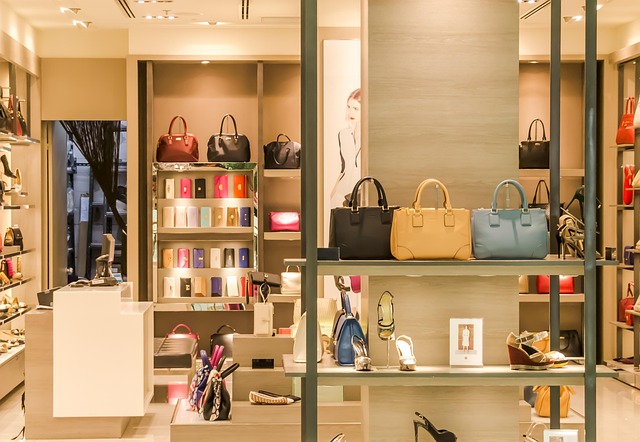
Tamil Nadu has a rich tradition of gold and jewellery retail, with major showrooms and family-run jewellery shops in virtually every town and city. From the grand multi-floor showrooms of Chennai's T. Nagar and Coimbatore's Oppanakara Street to neighbourhood jewellers in smaller towns, these businesses share a distinctive energy challenge: the need for exceptionally bright, high-quality lighting to showcase precious metals and gemstones at their finest.
Jewellery retail is one of the most lighting-intensive commercial segments. Display lighting, air conditioning to maintain customer comfort in these well-lit spaces, vault security systems, and CCTV surveillance run for 10-14 hours daily. Monthly electricity bills for a typical jewellery showroom range from Rs 50,000 to Rs 3,00,000 or more — a significant operational expense in a business where margins are already under pressure from gold price volatility and competition.
This guide covers the complete solar solution for jewellery businesses in Tamil Nadu — from energy profiling and system sizing to financial analysis, installation challenges in dense commercial areas, and the specific benefits solar offers to this unique retail segment.
Energy Profile of Jewellery Shops and Showrooms
Key Equipment and Power Draw
Jewellery showrooms have a distinctive energy signature. Unlike most retail shops where air conditioning dominates, jewellery stores spend a disproportionate share on lighting — and the AC load is largely a consequence of that lighting.
- Display case lighting (LED spotlights, track lights, fibre optic): 8-30 kW — the defining energy load. Each display counter may have 10-20 LED spotlights at 7-15W each, with additional accent and gem-specific lighting.
- Ambient and architectural lighting: 5-15 kW — false ceiling recessed lights, wall washers, entrance chandeliers, and branding illumination.
- Air conditioning (high-capacity for heat from lighting): 15-50 kW — jewellery showrooms typically need 30-40% more AC capacity per square foot than standard retail because intensive lighting raises ambient temperature by 3-6°C.
- Vault and strong room systems: 2-5 kW — dehumidifiers (critical in Tamil Nadu's humidity to prevent tarnishing), ventilation, and electronic locking systems running 24/7.
- CCTV and security systems: 2-5 kW — 20-80 cameras, DVR/NVR servers, motion sensors, and alarm systems. These run 24/7, 365 days.
- Billing counters, POS, and computer systems: 2-5 kW — billing machines, weight verification scales, hallmark verification equipment, and ERP terminals.
- Signage and external lighting: 2-8 kW — LED signboards, fascia lighting, and window display illumination that often runs until 10-11 PM.
- Workshop (if on-site goldsmith work): 3-10 kW — soldering stations, rolling mills, polishing motors, ultrasonic cleaners, and melting furnaces.
Monthly Consumption Patterns
| Showroom Size | Connected Load | Monthly Units | Monthly Bill (approx.) |
|---|---|---|---|
| Small shop (500-1,000 sq ft) | 15-30 kW | 3,500-8,000 | Rs 28,000-65,000 |
| Mid-size showroom (1,000-3,000 sq ft) | 30-60 kW | 8,000-20,000 | Rs 65,000-1,60,000 |
| Large showroom (3,000-8,000 sq ft) | 60-120 kW | 20,000-45,000 | Rs 1,60,000-3,60,000 |
| Multi-floor chain store | 100-250 kW | 35,000-90,000 | Rs 2,80,000-7,20,000 |
Jewellery showrooms typically operate from 9:30 AM to 9:00 PM, with peak energy consumption during afternoon hours when AC loads are highest and full display lighting is active — coinciding perfectly with solar generation hours.
The Solar-Jewellery Alignment Advantage
This operating pattern creates an unusually favourable solar match. Most commercial establishments see a mismatch between solar generation (daytime) and peak load (evening). Jewellery shops are different — their highest energy consumption occurs between 11 AM and 5 PM, exactly when solar panels produce the most power. Self-consumption ratios of 70-85% are achievable without batteries, compared to 40-60% for shops that do most business in the evening.
Recommended Solar System Sizing
Sizing Guidelines Based on Showroom Type
| Showroom Category | Recommended Solar | Monthly Generation | % of Bill Offset | Approx. Monthly Savings |
|---|---|---|---|---|
| Small jewellery shop | 10-20 kW | 1,350-2,700 units | 35-45% | Rs 10,000-22,000 |
| Mid-size showroom | 25-50 kW | 3,375-6,750 units | 30-40% | Rs 27,000-54,000 |
| Large showroom | 50-100 kW | 6,750-13,500 units | 25-35% | Rs 54,000-1,08,000 |
| Multi-floor chain store | 80-180 kW | 10,800-24,300 units | 20-30% | Rs 86,000-1,94,000 |
Why the offset percentage decreases for larger showrooms: Larger showrooms have proportionally more evening and extended-hours consumption that solar cannot directly serve. However, with net metering, excess daytime generation offsets evening consumption, pushing the effective offset back up to 50-70%.
Rooftop Access Challenges in Commercial Areas
Many jewellery shops operate in multi-story commercial complexes or congested market areas where rooftop access presents unique challenges:
Shared rooftops: In multi-tenant buildings, negotiate a written agreement for dedicated rooftop space proportional to your floor area. Tamil Nadu's TNERC regulations allow individual businesses to install solar on shared rooftops with the building owner's consent.
Limited roof area: A typical T. Nagar or Oppanakara Street jewellery shop may have access to only 300-600 sq ft of rooftop. With modern high-efficiency panels (540-550W each, 26 sq ft per panel), this translates to 6-12 kW — not ideal, but still saves Rs 6,000-12,000 per month.
Alternative installation locations:
- Owned warehouse or workshop building — Many jewellery businesses have separate vault/storage facilities with larger roof areas. Solar can be installed here and wheeled/adjusted against the showroom's TANGEDCO connection.
- Solar carport over customer parking — Large showrooms with dedicated parking can install solar carports, generating power while providing shaded parking for customers. A 20-car parking area can accommodate a 30-40 kW solar system.
- Adjacent building rooftops — If you own or can lease rooftop space on nearby buildings, virtual net metering allows you to credit that generation against your showroom's bill.
Financial Analysis and ROI
Detailed Investment Breakdown for a 50 kW System
| Component | Cost |
|---|---|
| Solar panels (50 kW, Tier-1 monocrystalline) | Rs 15-17 lakh |
| Inverter (string or multi-MPPT) | Rs 3-4 lakh |
| Mounting structure (MS hot-dip galvanised) | Rs 2.5-3.5 lakh |
| Wiring, switchgear, and protection | Rs 1.5-2 lakh |
| TANGEDCO net metering application and meter | Rs 25,000-40,000 |
| Installation and commissioning | Rs 2-3 lakh |
| Total project cost | Rs 25-30 lakh |
Returns Analysis
| Parameter | Value |
|---|---|
| Annual generation | 70,000-78,000 units |
| Annual savings (at Rs 8/unit commercial tariff) | Rs 5,60,000-6,24,000 |
| Annual maintenance cost | Rs 15,000-25,000 |
| Net annual savings | Rs 5,35,000-6,00,000 |
| Simple payback period | 4.2-5.5 years |
| Accelerated depreciation tax benefit (40% WDV, 30% tax bracket) | Rs 3-3.6 lakh in year 1 |
| Effective payback with depreciation | 3.5-4.5 years |
| 25-year lifetime savings | Rs 1.6-2.1 crore |
| Internal Rate of Return (IRR) | 22-28% |
Perspective on Investment
For a jewellery business investing Rs 5-50 crore in gold inventory, a Rs 25-30 lakh solar investment is a fraction of working capital — yet it delivers guaranteed returns of 20-28% annually through electricity savings. Compare this to:
| Investment | Annual Return | Risk Level |
|---|---|---|
| Solar for showroom | 22-28% IRR | Near-zero (sunlight is guaranteed) |
| Gold inventory returns | 8-15% (volatile) | Medium-high (price dependent) |
| Fixed deposit | 6-7% | Low |
| Commercial property | 3-5% rental yield | Medium |
Unlike gold prices, solar savings are predictable, inflation-protected (they increase as tariffs rise), and virtually risk-free. Learn more in our solar vs fixed deposit comparison.
Government Subsidies and Incentives for Jewellery Businesses
Available Financial Support
-
TANGEDCO net metering: Bill adjustment for exported power — the foundation of solar economics for commercial installations.
-
Accelerated depreciation: Companies and LLPs can claim 40% depreciation on solar assets in the first year under the Written Down Value method. For a Rs 28 lakh investment at a 30% tax bracket, this translates to Rs 3.4 lakh in tax savings in year 1 alone.
-
MSME benefits: Jewellery shops registered under Udyam (MSME) can access:
- Priority sector lending rates for solar loans (8-10% vs 12-14% commercial rates)
- TEDA subsidies for small and medium enterprises
- Technology Upgradation Fund Scheme (TUFS) benefits
-
Solar financing: SBI, Canara Bank, Union Bank, and others offer solar-specific loans at 8-10% interest with tenures of 5-7 years. Monthly EMI is typically lower than the monthly electricity savings, making it a net-positive cash flow investment from month one.
-
GST benefits: Solar systems attract only 5% GST (compared to 18% on most capital equipment), and the input tax credit can be claimed by GST-registered businesses.
Benefits Specific to Jewellery Showrooms
1. Lighting Cost Freedom
Lighting is the soul of a jewellery showroom — it cannot be compromised. A well-lit diamond display case using 30 LED spotlights at 10W each consumes 300W continuously, translating to 3,600 units per year just for one display section. A showroom with 20 such sections spends Rs 5-8 lakh annually on display lighting alone.
Solar effectively makes this lighting free after the payback period. Showrooms can upgrade to even better lighting (higher CRI LEDs, more spotlights, dynamic lighting systems) without worrying about the proportional electricity cost increase.
2. AC Load Cascade Offset
Here's a factor many jewellery shop owners miss: for every 1 kW of lighting heat generated, you need approximately 0.3-0.4 kW of additional AC capacity. A showroom running 20 kW of display lighting generates 68,000 BTU/hour of heat, requiring 5-6 tonnes of additional air conditioning.
Solar doesn't just offset the lighting cost — it offsets the AC cost caused by the lighting. This cascading effect means solar's true savings are 15-20% higher than simple generation calculations suggest.
3. Uninterrupted Security During Power Cuts
Jewellery shops hold inventory worth crores. A power cut doesn't just stop business — it can compromise vault dehumidification, CCTV recording, and alarm systems. While most shops use diesel generators for backup, these are expensive (Rs 18-25/unit) and noisy.
A solar system with a modest battery backup (5-10 kWh) can keep security systems, CCTV, and vault systems running during outages at near-zero marginal cost. This isn't about saving money — it's about protecting crores of inventory.
For areas with frequent power cuts, consider a hybrid solar system that provides both grid savings and backup power.
4. Festival Season Alignment
Tamil Nadu's jewellery sales peak during specific seasons, and solar generation aligns remarkably well:
| Festival/Season | Typical Month | Solar Generation | Sales Volume |
|---|---|---|---|
| Akshaya Tritiya | April-May | Peak (highest irradiance) | Very high |
| Wedding season | May-June | High | High |
| Navaratri | September-October | Good | High |
| Deepavali | October-November | Good | Very high |
| Pongal | January | High (clear winter skies) | Moderate-high |
During Akshaya Tritiya and wedding season (April-June), showrooms extend operating hours to 10-11 PM, increase all lighting to maximum, and run AC at full capacity. This is exactly when Tamil Nadu receives maximum solar irradiance — a natural synergy that maximises self-consumption and savings during your highest-cost operating period.
5. Green Branding and Customer Perception
A "Solar-Powered Showroom" tagline is more than marketing — it signals progressive, responsible business practices. This resonates particularly with:
- Younger customers (25-40 age group) who are the next generation of jewellery buyers and increasingly factor sustainability into purchasing decisions
- NRI buyers returning for wedding shopping who are accustomed to environmental consciousness in their countries of residence
- Corporate gifting clients who prefer suppliers with sustainability credentials
Several large jewellery chains in India (Malabar Gold, Kalyan Jewellers) have already publicized their solar installations. Smaller showrooms can differentiate themselves in their local market with this same positioning at a fraction of the cost.
Installation Considerations for Jewellery Showrooms
Structural Assessment in Commercial Areas
Many jewellery shops in market areas like T. Nagar (Chennai), Town Hall (Coimbatore), or South Masi Street (Madurai) operate in older buildings constructed 30-50 years ago. Key considerations:
- Load-bearing capacity: Older RCC roofs may have been designed for lower loads. A structural engineer must verify the roof can handle 12-15 kg/m² of solar panel weight. If not, lightweight thin-film panels or fewer panels with higher efficiency can reduce the load.
- Waterproofing: Older roofs may have deteriorating waterproofing. Solar installation should include waterproofing repair as part of the project — the panels then protect the new waterproofing from UV and rain degradation.
- Parapet height: Commercial buildings often have low parapets. Panels may need to be mounted at a lower tilt angle to avoid wind uplift risks, which slightly reduces generation (2-3% impact).
Electrical Integration and Safety
Jewellery shops have stringent fire safety requirements due to high-value inventory:
- Separate solar ACDB/DCDB: Solar electrical panels should be in fire-rated enclosures, separate from the shop's main distribution board
- Arc fault protection: DC arc faults in solar systems can cause fires. Ensure the inverter has built-in arc fault detection (AFCI), or install a separate AFCI device
- Rapid shutdown: For rooftop systems on commercial buildings, rapid shutdown capability allows firefighters to de-energize the DC side remotely — a safety feature increasingly mandated in commercial installations
- Insurance: Inform your jewellery insurance provider about the solar installation. Most insurers cover solar as part of the building's fixed assets at no additional premium, but documentation is important for claims
Aesthetic Harmony for Premium Showrooms
Prominent jewellery showrooms invest heavily in exterior aesthetics — the building facade is part of the brand. Solar installation should complement, not compromise, this:
- All-black monocrystalline panels (black cells + black backsheet + black frame) present a sleek, uniform appearance
- Concealed wiring using conduits that match the building's exterior colour
- Flush-mount systems that sit parallel to the roof surface, minimising visual profile from street level
- Branded panel covers — some showrooms have installed decorative screening around their rooftop solar system, though this can reduce ventilation and generation
Glare and Reflection Management
Solar panels should be positioned to avoid reflecting sunlight into neighbouring buildings or your own display windows. This is particularly important in dense commercial areas:
- Anti-reflective coating on modern panels reduces glare by 90% compared to plain glass
- Proper tilt angle engineering (15-20° in Tamil Nadu) directs any residual reflection upward, not horizontally
- East-west mounting orientation on flat roofs eliminates the glare issue entirely while providing more consistent generation throughout the day
Case Study: What a Typical Coimbatore Jewellery Showroom Can Expect
Profile: Mid-size jewellery showroom on Oppanakara Street, 2,500 sq ft across two floors, monthly EB bill Rs 1,20,000 (approximately 15,000 units/month), with access to 1,200 sq ft of rooftop plus a separate 800 sq ft godown rooftop.
Solution: 35 kW rooftop solar (25 kW on showroom + 10 kW on godown)
| Parameter | Value |
|---|---|
| System cost | Rs 18.5 lakh |
| Annual generation | 49,000 units |
| Annual savings | Rs 3,92,000 |
| Accelerated depreciation benefit (year 1) | Rs 2,22,000 |
| Effective year 1 benefit | Rs 6,14,000 |
| Simple payback | 4.7 years |
| Payback with depreciation | 3.0 years |
| Monthly EMI (7-year solar loan at 9%) | Rs 29,500 |
| Monthly savings | Rs 32,600 |
| Net cash flow from month 1 | +Rs 3,100/month |
This showroom becomes cash-flow positive from the very first month — the solar loan EMI is lower than the electricity savings. After the loan is paid off in year 7, the full Rs 32,600+ monthly savings flows directly to the bottom line for the remaining 18+ years of panel life.
Getting Started
Tristar Green Energy Solutions has installed solar systems for retail showrooms and commercial establishments across Tamil Nadu. We understand the unique energy requirements of jewellery retail — where lighting quality is non-negotiable, security is paramount, and the building's aesthetic cannot be compromised.
Our process for jewellery showroom installations:
- Free site assessment — Structural survey, electrical audit, shadow analysis, and roof area mapping
- Customised design — System sized to your specific consumption pattern, with aesthetic considerations factored in
- Financial modelling — Detailed ROI projection including depreciation benefits, loan structuring, and month-by-month savings forecast
- Turnkey installation — Complete execution including TANGEDCO net metering application, structural reinforcement if needed, and fire safety compliance
- Monitoring and maintenance — Annual maintenance contract with remote monitoring and priority service response
Use our solar savings calculator to estimate your showroom's potential savings, or contact our team for a free site assessment and customised solar proposal.
For jewellery business owners, solar is the rare investment that delivers both financial returns and brand enhancement — reducing one of the largest recurring costs while positioning the showroom as forward-thinking and environmentally responsible.
FAQ
How much can a jewellery shop save with solar in Tamil Nadu?
A mid-size jewellery showroom (2,000-3,000 sq ft) with a monthly EB bill of Rs 1-1.5 lakh can save Rs 3-5 lakh per year with a 30-50 kW solar system. The payback period is typically 3.5-5 years, after which savings continue for 20+ years. With accelerated depreciation tax benefits, the effective payback drops to 2.5-4 years.
Will solar affect the quality of lighting in my showroom?
Not at all. Solar generates electricity that feeds into your existing electrical system — your display lighting, AC, and all equipment continue to run exactly as before. The only change is the source of the electricity. You can even upgrade to better lighting knowing that solar has reduced your per-unit electricity cost.
Can I install solar on a rented commercial building?
Yes, with the building owner's written consent. Many landlords agree readily because solar increases property value and doesn't damage the building. Ensure your lease agreement covers solar installation rights, and consider a clause for panel removal at lease end. Alternatively, explore a Power Purchase Agreement (PPA) model where a third party installs and owns the system while you buy power at a discounted rate.
What happens during a power cut — does solar keep the showroom running?
With a standard on-grid solar system, power cuts will shut down the system (anti-islanding safety requirement). For uninterrupted operation, you need a hybrid system with battery backup. Even a small 5-10 kWh battery can keep CCTV, vault systems, and emergency lighting running for 4-8 hours during outages. Many jewellery shops opt for a hybrid configuration specifically for security system backup.
Is solar insurance required for a jewellery shop installation?
While not legally mandatory, we strongly recommend insuring your solar system. Most property insurance policies can be extended to cover solar panels at minimal additional premium (Rs 2,000-5,000 per year for a 50 kW system). This covers damage from storms, fire, theft, and electrical faults. Given that your shop already has comprehensive insurance for inventory, adding solar coverage is straightforward.
How long does installation take, and will it disrupt my business?
Physical installation takes 2-4 days for a typical 30-50 kW commercial system. Most work happens on the rooftop and does not disrupt showroom operations. The only brief interruption is the final grid connection switchover, which takes 30-60 minutes. TANGEDCO net metering approval takes an additional 30-45 days, but the system can generate power for self-consumption immediately after installation. We typically schedule installation on lower-traffic weekdays to minimise any impact on customer experience.
Ready to Go Solar?
Get a personalized solar quote based on your electricity consumption and roof area.
Related Articles
Solar for Shopping Malls and Retail Spaces in Tamil Nadu
Learn how shopping malls and retail spaces in Tamil Nadu are installing rooftop and carport solar systems to offset high electricity bills from AC, escalators, lighting, and common area loads.
Solar for Supermarkets and Grocery Chains in Tamil Nadu
Explore how supermarkets and grocery chains across Tamil Nadu are using rooftop solar to offset heavy refrigeration, lighting, and AC loads, with some stores achieving 60-80% electricity bill reduction.
Solar for Automobile Workshops and Service Centers in Tamil Nadu
Explore how automobile workshops, car service centres, and two-wheeler garages in Tamil Nadu are adopting solar power to run compressors, lifts, and lighting while cutting monthly electricity bills.