 Back to Blog
Solar Water Heater vs Electric Geyser: Which Saves More in Tamil Nadu?
On This Page
Hot water is a daily necessity in Tamil Nadu homes -- for bathing, kitchen use, and cleaning. While our summers are warm, the cooler months from November to February and early mornings year-round make a reliable water heating solution essential. The three most common options are electric geysers (instant or storage), gas geysers, and solar water heaters. But which one actually saves you the most money over 10 or 20 years? And which one makes the most sense for your specific situation in Tamil Nadu?
This guide is a thorough, practical comparison to help you make a real decision. We cover technology types, running costs, climate-specific performance across Tamil Nadu, sizing for your family, government subsidies, common myths, maintenance, and even when an electric geyser is the smarter choice.
Understanding Your Options: Three Types of Water Heating
Before diving into costs, let us understand what each technology actually does and how it works in a Tamil Nadu home.
Electric Geysers
Electric geysers use a heating element (similar to an immersion rod) inside an insulated tank or a compact unit to heat water on demand. They are the default choice in most Indian homes because they are inexpensive to buy, easy to install, and available everywhere.
There are two main types:
Storage Geyser (10-25 Litres)
- Wattage: 1,500W to 3,000W (most common: 2,000W)
- How it works: Heats a fixed tank of water and keeps it warm with insulation. You switch it on 15-20 minutes before use.
- Daily usage for a family of 4: 30-45 minutes per day
- Daily consumption: 1.0-1.5 kWh (units)
- Monthly consumption: 30-45 units
- Monthly cost at TANGEDCO rates: Rs.140-300 (at Rs.4.60/unit for the 201-500 slab)
Storage geysers are the most common type in Tamil Nadu homes. The 15-litre models suit a family of 2-3, while 25-litre models work for families of 4-5. The main drawback is standby heat loss -- even with insulation, the stored water cools down over time, wasting energy.
Instant Geyser (3-6 Litres)
- Wattage: 3,000W to 4,500W
- How it works: Heats water as it flows through the unit. No storage tank, so no standby losses.
- Daily usage for a family of 4: 20-30 minutes (shorter but draws much higher power)
- Daily consumption: 1.0-2.0 kWh
- Monthly consumption: 30-60 units
- Monthly cost: Rs.140-400
Instant geysers are popular in kitchens and small bathrooms. They use more power per minute but for shorter durations. The key risk is that they draw very high current (15-20 amps), which can strain older wiring in Tamil Nadu homes.
The hidden cost of electric geysers: For households already consuming 400+ units monthly, the geyser pushes you into higher TANGEDCO tariff slabs. At the Rs.6.60/unit or Rs.8.05/unit slabs, your geyser could cost Rs.300-500 per month just for hot water. This marginal cost effect is something most families overlook when calculating geyser expenses.
Gas Geysers (LPG-Powered)
Gas geysers heat water instantly using LPG (liquified petroleum gas). They are common in North India but less popular in Tamil Nadu.
- How it works: Cold water flows through a heat exchanger. An LPG flame heats the water as it passes through.
- Flow rate: 5-10 litres per minute of hot water
- Gas consumption: Roughly 1 kg of LPG per 100 litres of hot water heated
- Monthly cost for a family of 4: Rs.250-400 (approximately 3-5 kg LPG per month for water heating)
- Purchase cost: Rs.5,000-12,000
Pros of gas geysers:
- Work during power cuts (a real advantage during Tamil Nadu's occasional load shedding)
- Instant hot water with no waiting time
- Lower running cost than electric geysers in many cases
Cons of gas geysers:
- Safety concerns -- require proper ventilation and cannot be used in enclosed bathrooms
- LPG cylinder management and refilling hassle
- Not widely serviced in smaller Tamil Nadu towns
- LPG prices have been rising steadily (Rs.903 per 14.2 kg cylinder as of early 2026)
- Carbon monoxide risk in poorly ventilated spaces
Gas geysers can be a practical backup option, but for Tamil Nadu homes, the safety and ventilation requirements make them less convenient than electric or solar options.
Solar Water Heaters
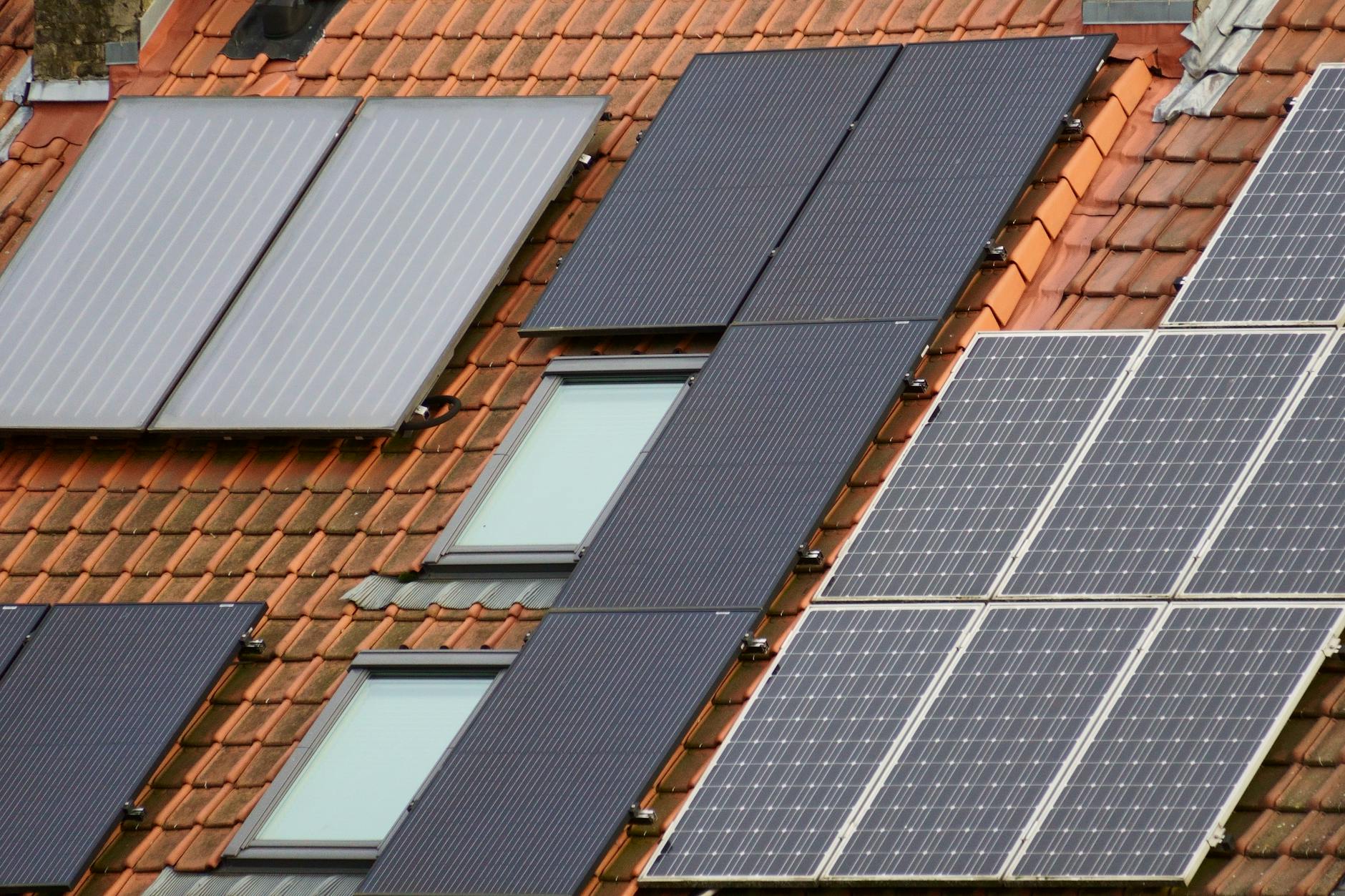
A solar water heater uses sunlight to heat water directly. No electricity or gas is consumed during normal operation. The heated water is stored in an insulated tank on the roof, and gravity feeds it to your bathrooms and kitchen.
There are two main technologies, and understanding the difference is important for making the right purchase.
Solar Water Heater Types: ETC vs FPC
This is the most important technical decision when buying a solar water heater. Both work well in Tamil Nadu, but they suit different situations.
Evacuated Tube Collector (ETC)
ETC systems use a series of glass tubes with a vacuum layer between the inner and outer walls -- similar to how a thermos flask works. The vacuum minimises heat loss, allowing the tubes to absorb and retain heat very efficiently.
How it works: Sunlight passes through the outer glass tube, heats the inner tube's coating, and the vacuum prevents heat from escaping. Water circulates through or around the tubes (depending on direct or indirect systems) and gets heated.
Pros:
- More affordable: Rs.18,000-40,000 for 100-300 litres (installed)
- Excellent performance in cooler climates (relevant for Ooty, Kodaikanal, and high-altitude areas)
- The vacuum insulation captures and retains up to 60% more heat than FPC in cold or cloudy conditions
- Individual tubes can be replaced if broken (Rs.150-300 per tube)
- Heats water to 60-80 degrees Celsius on sunny days, 40-55 degrees on partly cloudy days
- Lighter weight, easier to install on most roofs
Cons:
- Glass tubes are fragile and can crack from hailstones, falling objects, or rough handling
- Tubes can develop calcium deposits in hard water areas, reducing efficiency over time
- Shorter lifespan than FPC: typically 15-20 years for the overall system (though the tank lasts longer)
- In extremely hard water areas (common in parts of Coimbatore and Tiruchirappalli), tube replacement frequency increases
Best suited for: Budget-conscious families, cooler climate areas like Ooty, and homes where upfront cost is the primary concern.
Flat Plate Collector (FPC)
FPC systems use a flat metal plate (usually copper) coated with a dark, heat-absorbing layer. The plate is covered with toughened glass and insulated at the back. Water flows through copper tubes bonded to the plate.
How it works: Sunlight heats the flat plate, which transfers heat to water flowing through the copper tubes. The system is enclosed in a weatherproof casing.
Pros:
- Extremely durable: 20-25 year lifespan with minimal degradation
- Better suited for hard water areas -- copper tubes handle mineral deposits better than glass tubes
- No fragile components; resistant to physical damage
- More consistent performance over the system's lifetime
- Higher aesthetic quality -- looks cleaner on the roof
- Lower long-term maintenance cost
Cons:
- Higher upfront cost: Rs.30,000-65,000 for 100-300 litres (installed)
- Slightly less efficient than ETC in cold or overcast conditions
- Heavier, requiring a sturdier roof mounting structure
- If a component fails, the entire collector panel may need replacement rather than individual parts
- Less effective in very cold climates (below 5 degrees Celsius ambient temperature)
Best suited for: Premium homes, hard water areas, families who want a long-lasting system with minimal maintenance, and locations with consistent sunshine like Chennai.
ETC vs FPC: Quick Comparison Table
| Feature | ETC (Evacuated Tube) | FPC (Flat Plate) |
|---|---|---|
| Cost (200L installed) | Rs.25,000-35,000 | Rs.35,000-55,000 |
| Lifespan | 15-20 years | 20-25 years |
| Efficiency in sunshine | 70-80% | 60-70% |
| Performance in cloudy weather | Better (vacuum insulation) | Moderate |
| Hard water tolerance | Poor to moderate | Good |
| Fragility | Glass tubes can break | Robust and durable |
| Maintenance | Tube replacement every 3-5 years | Minimal for 10+ years |
| Weight | Lighter | Heavier |
| Water temperature achieved | 60-80 degrees C | 55-75 degrees C |
| Best for Tamil Nadu region | Ooty, Nilgiris, budget homes | Chennai, Coimbatore, premium homes |
For a deeper understanding of solar efficiency factors, read our solar panel efficiency guide.
Detailed Cost Comparison: Solar vs Electric vs Gas (Over 10 and 20 Years)
Let us compare all three options for a family of 4 in Tamil Nadu, assuming a 200-litre daily hot water requirement. We use current TANGEDCO rates and account for electricity price inflation of approximately 5% per year.
10-Year Total Cost of Ownership
| Cost Component | Electric Geyser (Storage) | Gas Geyser | Solar Water Heater (ETC) | Solar Water Heater (FPC) |
|---|---|---|---|---|
| Purchase and installation | Rs.10,000 | Rs.8,000 | Rs.30,000 | Rs.45,000 |
| Replacement unit (year 5-6) | Rs.12,000 | Rs.10,000 | Not needed | Not needed |
| Electricity cost (10 years, with 5% annual inflation) | Rs.30,000 | Rs.0 | Rs.3,500 (backup only) | Rs.3,000 (backup only) |
| LPG cost (10 years, with inflation) | Rs.0 | Rs.40,000 | Rs.0 | Rs.0 |
| Maintenance and repairs | Rs.4,000 | Rs.5,000 | Rs.4,000 (tube replacements) | Rs.2,000 |
| Total 10-year cost | Rs.56,000 | Rs.63,000 | Rs.37,500 | Rs.50,000 |
| Savings vs electric geyser | -- | -Rs.7,000 (costs more) | Rs.18,500 saved | Rs.6,000 saved |
20-Year Total Cost of Ownership
This is where solar water heaters truly shine, because the system keeps working long after it has paid for itself.
| Cost Component | Electric Geyser (Storage) | Gas Geyser | Solar Water Heater (ETC) | Solar Water Heater (FPC) |
|---|---|---|---|---|
| Purchase and installation | Rs.10,000 | Rs.8,000 | Rs.30,000 | Rs.45,000 |
| Replacement units (every 5-6 years) | Rs.36,000 (3 replacements) | Rs.30,000 (3 replacements) | Rs.30,000 (1 replacement at year 16) | Not needed |
| Electricity cost (20 years, with 5% annual inflation) | Rs.80,000 | Rs.0 | Rs.8,000 (backup only) | Rs.7,000 (backup only) |
| LPG cost (20 years, with inflation) | Rs.0 | Rs.1,10,000 | Rs.0 | Rs.0 |
| Maintenance and repairs | Rs.10,000 | Rs.12,000 | Rs.10,000 | Rs.5,000 |
| Total 20-year cost | Rs.1,36,000 | Rs.1,60,000 | Rs.78,000 | Rs.57,000 |
| Savings vs electric geyser | -- | -Rs.24,000 (costs more) | Rs.58,000 saved | Rs.79,000 saved |
The numbers are clear: over 20 years, an FPC solar water heater saves you nearly Rs.80,000 compared to an electric geyser. Even the more affordable ETC system saves over Rs.58,000. And these calculations are conservative -- if your household consumption pushes you into higher TANGEDCO tariff slabs, the savings are even greater.
For more strategies to reduce your electricity bill in Tamil Nadu, explore our detailed guide.
Payback Period
- ETC Solar Water Heater: 4-6 years (depending on your electricity tariff slab)
- FPC Solar Water Heater: 6-8 years
- After payback: Free hot water for 10-15+ remaining years of system life
Performance in Tamil Nadu's Climate: City-by-City Breakdown
Tamil Nadu is blessed with excellent solar radiation -- an average of 5.0-5.5 kWh per square metre per day. But the state's geography creates meaningfully different climates across regions, which affects solar water heater performance.
Coimbatore and Western Tamil Nadu
- Climate: Mild and pleasant year-round. Winter mornings (December-January) can drop to 15-18 degrees Celsius. Summer peaks at 35-38 degrees.
- Solar radiation: Excellent (5.2-5.5 kWh/m2/day)
- Solar water heater performance: Outstanding. Hot water available on 310+ days per year. During the brief cooler months, water temperature may be slightly lower (50-60 degrees vs 70-80 degrees in summer) but still more than adequate for bathing.
- Hard water note: Parts of Coimbatore have moderately hard water. FPC systems or a water softener before the ETC system is recommended.
- Recommendation: Either ETC or FPC works excellently. For detailed installation guidance, see our Coimbatore solar installation guide.
Chennai and Coastal Tamil Nadu
- Climate: Hot and humid year-round. Even "winter" rarely drops below 22 degrees Celsius. The northeast monsoon (October-December) brings extended cloudy and rainy periods.
- Solar radiation: Very good (5.0-5.4 kWh/m2/day), but monsoon months reduce effective solar days
- Solar water heater performance: Excellent for 9-10 months. During the northeast monsoon, expect 15-25 days of reduced performance where electric backup may be needed. Interestingly, Chennai's ambient temperature is so warm that even on cloudy days, solar water heaters often produce lukewarm water (35-45 degrees) that requires minimal electric boosting.
- Recommendation: FPC is preferred due to Chennai's coastal salt air (which can corrode ETC tubes faster) and the city's higher ambient temperatures that compensate for FPC's slightly lower efficiency. See our Chennai solar installation guide.
Ooty, Nilgiris, and Hill Stations
- Climate: Cool year-round. Winter temperatures drop to 5-10 degrees Celsius. Summer peaks at only 20-25 degrees.
- Solar radiation: Moderate (4.2-4.8 kWh/m2/day) due to higher altitude cloud cover and mist
- Solar water heater performance: Good but with limitations. Water temperatures of 45-60 degrees on clear days. More backup heating days needed (40-60 days per year). The vacuum insulation of ETC systems becomes a significant advantage here.
- Frost risk: In peak winter, overnight temperatures can approach freezing. Ensure the system has frost protection (drain-back systems or antifreeze loops for indirect FPC systems).
- Recommendation: ETC is strongly preferred for hill stations due to superior cold-weather performance. Read our Ooty solar installation guide for area-specific advice.
Performance by Season (Family of 4, 200L System)
| Season | Coimbatore | Chennai | Ooty |
|---|---|---|---|
| Summer (Mar-May) | 75-80 degrees C, no backup needed | 70-80 degrees C, no backup needed | 55-65 degrees C, occasional backup |
| Monsoon (Jun-Sep, SW) | 60-70 degrees C, 5-8 backup days | 55-65 degrees C, 10-12 backup days | 45-55 degrees C, 15-20 backup days |
| Monsoon (Oct-Dec, NE) | 55-65 degrees C, 8-12 backup days | 45-55 degrees C, 15-25 backup days | 40-50 degrees C, 20-30 backup days |
| Winter (Jan-Feb) | 55-65 degrees C, 3-5 backup days | 60-70 degrees C, 3-5 backup days | 40-50 degrees C, 15-20 backup days |
| Total backup days/year | 16-25 days | 28-42 days | 50-70 days |
| Annual electricity for backup | Rs.200-350 | Rs.350-550 | Rs.600-900 |
Sizing Guide: How to Choose the Right Capacity
Getting the right size is critical. An undersized system means you run out of hot water; an oversized system wastes money upfront. Here is a practical sizing guide based on Tamil Nadu usage patterns.
General Rule of Thumb
In Tamil Nadu, the average person uses 25-40 litres of hot water per day for bathing (bucket bath uses less, shower uses more). Add 5-10 litres per person for kitchen and washing use. However, not all family members may need hot water every day during summer months.
Sizing Guide by Family Size
| Family Size | Daily Hot Water Need | Recommended System Size | ETC Cost (Installed) | FPC Cost (Installed) |
|---|---|---|---|---|
| 1-2 members | 50-80 litres | 100 litres | Rs.18,000-25,000 | Rs.28,000-38,000 |
| 3-4 members | 100-160 litres | 200 litres | Rs.25,000-35,000 | Rs.38,000-55,000 |
| 5-6 members | 150-240 litres | 300 litres | Rs.35,000-50,000 | Rs.50,000-70,000 |
| Joint family (7-10) | 250-400 litres | 500 litres | Rs.55,000-75,000 | Rs.75,000-1,00,000 |
Special Sizing Considerations
Hostel and PG Accommodation: For hostels with 20-50 residents, commercial-grade solar water heaters in the 1,000-5,000 litre range are available. These use multiple collector panels and large storage tanks. The economics are even more favourable at scale -- payback periods of 2-3 years are common for commercial installations.
Shower vs Bucket Bath: If your family primarily uses showers instead of bucket baths, increase the recommended capacity by 30-50%. A 10-minute shower uses 60-80 litres versus 15-25 litres for a bucket bath.
Multiple Bathrooms: If hot water is needed in 2-3 bathrooms simultaneously (common in joint families), ensure the storage tank size and plumbing can handle simultaneous demand. A 300L system with proper plumbing can serve 2-3 bathrooms comfortably.
For help choosing the right capacity for any solar system, see our guide on how to choose the right solar capacity.
Installation Requirements
Solar Water Heater Installation
- Roof space: A 200-litre ETC system needs approximately 3m x 2m (6 square metres) of shadow-free roof space. FPC systems need slightly more area (about 2-3 square metres per collector panel).
- Roof type: Most Tamil Nadu homes have flat RCC (reinforced concrete) roofs, which are ideal. Sloped tile roofs require additional mounting frames.
- Orientation: The collector should face south for maximum sun exposure. East or west-facing collectors lose 10-15% efficiency.
- Shadow-free area: No shadows from adjacent buildings, trees, or water tanks between 9 AM and 4 PM.
- Plumbing: Hot water pipes from the roof tank to bathrooms and kitchen. Insulated pipes prevent heat loss during transit. The system uses gravity flow, so the tank must be at a higher elevation than the taps.
- Installation time: 1-2 days for a standard residential system.
Electric Geyser Installation
- Electrical requirements: A dedicated 15-amp power socket on a separate circuit. Instant geysers may need a 20-amp connection.
- Wall mounting: Requires a strong wall (not a partition wall) to support the weight of water-filled unit (a 25-litre geyser weighs 30+ kg when full).
- Earthing: Proper electrical earthing is mandatory for safety. Many older Tamil Nadu homes have inadequate earthing.
- MCB/ELCB: A dedicated miniature circuit breaker and earth leakage circuit breaker should protect the geyser circuit.
- Installation time: 2-4 hours.
Gas Geyser Installation
- Ventilation: Must be installed in a well-ventilated area -- never in an enclosed bathroom. This is a non-negotiable safety requirement.
- Gas connection: Requires a dedicated LPG cylinder or piped gas connection near the installation point.
- Exhaust: A flue pipe to expel combustion gases outside the building.
- Installation time: 3-5 hours.
Common Myths About Solar Water Heaters
There are several persistent misconceptions that prevent Tamil Nadu families from adopting solar water heaters. Let us address them directly. For a broader look at solar myths, see our comprehensive myth-busting guide.
Myth 1: "Solar water heaters do not work during monsoon or cloudy days."
Reality: Solar water heaters do produce less heat on overcast days, but they do not stop working entirely. Even diffused sunlight heats the water to 35-50 degrees on a cloudy day. In Tamil Nadu, you might need electric backup for 20-40 days a year depending on your location. That is still 325-345 days of free hot water.
Myth 2: "Solar water heaters are too expensive."
Reality: An ETC system for a family of 4 costs Rs.25,000-35,000. Compared to the Rs.1,36,000 you would spend on electric geyser purchase plus electricity over 20 years, the solar system saves you Rs.58,000-79,000. It is actually the cheapest option over its lifetime.
Myth 3: "The water is not hot enough for a comfortable bath."
Reality: On a sunny Tamil Nadu day, solar water heaters produce water at 60-80 degrees Celsius -- that is too hot to use directly. You will need to mix cold water with it. Even in Coimbatore's coolest months, the water reaches 50-60 degrees, which is hotter than most people set their electric geysers.
Myth 4: "Solar water heaters need constant maintenance."
Reality: ETC systems need periodic tube inspection and cleaning (once or twice a year). FPC systems need even less -- basically an annual check and occasional descaling in hard water areas. Compare this with electric geysers that need anode rod replacement every 2-3 years and are prone to element burnout.
Myth 5: "I will not get hot water early in the morning."
Reality: Solar water heaters store water in insulated tanks. The water heated during the previous day remains hot overnight -- typically losing only 5-10 degrees by early morning. A well-insulated 200-litre tank that reaches 70 degrees by evening will still be at 55-60 degrees at 6 AM the next morning.
Myth 6: "Solar water heaters are ugly and damage the roof."
Reality: Modern systems are designed for rooftop installation and actually add less visual clutter than multiple satellite dishes or mobile towers. They do not penetrate the roof -- they sit on a stand that is anchored with bolts or weighted down. If anything, they shade a portion of your roof, reducing indoor heat.
Maintenance Comparison
| Maintenance Task | Electric Geyser | Gas Geyser | Solar Water Heater (ETC) | Solar Water Heater (FPC) |
|---|---|---|---|---|
| Annual inspection | Recommended | Mandatory (safety) | Recommended | Recommended |
| Descaling | Every 1-2 years | Every 1-2 years | Every 2-3 years | Every 3-5 years |
| Anode rod replacement | Every 2-3 years (Rs.500-800) | Not applicable | Not applicable | Not applicable |
| Heating element replacement | Every 3-5 years (Rs.800-1,500) | Not applicable | Not applicable | Not applicable |
| Tube/collector replacement | Not applicable | Not applicable | Individual tubes as needed (Rs.150-300 each) | Rarely needed (full panel Rs.8,000-15,000 if damaged) |
| Tank replacement | Every 5-7 years (buy new geyser) | Every 5-7 years | Every 10-15 years (Rs.8,000-12,000) | Every 15-20 years (if needed) |
| Gas leak inspection | Not applicable | Every 6 months (critical) | Not applicable | Not applicable |
| Annual maintenance cost | Rs.300-600 | Rs.500-800 | Rs.300-500 | Rs.200-400 |
| Total maintenance over 20 years | Rs.10,000+ (plus 3-4 geyser replacements) | Rs.12,000+ (plus gas fittings) | Rs.8,000-10,000 | Rs.4,000-6,000 |
The Hybrid Approach: Solar Water Heater + Solar PV
For homeowners who want the best of both worlds, a hybrid approach combines a dedicated solar water heater with a rooftop solar PV system for the rest of the home's electricity needs.
Option 1: Solar Water Heater + Solar PV Panels
Install a dedicated solar water heater for hot water (the most efficient way to convert sunlight to heat) and a separate rooftop solar PV system to offset your remaining electricity bill. This is the most cost-effective combination because:
- Solar thermal collectors convert 60-80% of sunlight to heat
- Solar PV panels convert only 18-22% of sunlight to electricity
- Using PV electricity to run an electric geyser means you are converting sunlight to electricity and then back to heat, losing efficiency at each step
Option 2: Solar PV + Heat Pump Water Heater
For larger or premium homes, pair a rooftop solar PV system with a heat pump water heater:
- Heat pump: Uses 1 unit of electricity to generate 3-4 units of heat (COP of 3-4)
- Powered by solar PV: The electricity comes from your rooftop panels
- Result: Hot water at approximately 25% of the cost of a conventional geyser, with the flexibility to heat water at any time
- Cost: Heat pump units range from Rs.35,000-80,000. Combined with a solar PV system, the total investment is higher but provides electricity for all appliances, not just hot water.
Option 3: Solar PV + Electric Geyser (Simple but Less Efficient)
If you are already installing a rooftop solar PV system, you can simply run your existing electric geyser during daytime hours when the panels are generating power. This is the simplest approach but the least efficient. It works well if your PV system is oversized or if you want to avoid the hassle of a separate rooftop solar water heater.
Use our solar savings calculator to model different combinations for your home.
Government Subsidies and BIS Standards for Solar Water Heaters
MNRE Subsidies
The Ministry of New and Renewable Energy (MNRE) has historically offered subsidies on solar water heaters to encourage adoption:
- General category states (including Tamil Nadu): Up to 30% of system cost as subsidy
- Special category states (Northeast, hill states): Up to 60% subsidy
- Subsidy amounts have ranged from Rs.3,000-10,000 depending on system size and the specific scheme active at the time
Subsidy availability varies by year and budget allocation. We recommend checking the MNRE website (mnre.gov.in) or contacting our team for current subsidy status. When subsidies are available, the payback period for a solar water heater can drop to as low as 2-3 years.
BIS Standards (Mandatory from 2025)
The Bureau of Indian Standards (BIS) has made it mandatory for all solar water heaters sold in India to meet specific quality and performance standards. This is good news for consumers because:
- It ensures minimum efficiency and build quality
- It eliminates low-quality products that gave solar water heaters a bad reputation
- BIS-certified systems must pass durability, thermal performance, and safety tests
- Always verify that the system you purchase carries the BIS mark
When purchasing from Tristar Green Energy Solutions, all systems we install are BIS-certified and come with manufacturer warranties. This protects your investment and ensures the performance numbers in this guide are achievable in real-world conditions.
Tamil Nadu State Incentives
Tamil Nadu has been a leader in solar adoption. While dedicated state subsidies for solar water heaters are not always active, the state government has periodically offered:
- Property tax benefits for green buildings with solar installations
- Simplified approval processes for rooftop solar equipment
- Integration with the PM Surya Ghar scheme for overall household solar adoption
When an Electric Geyser Actually Makes More Sense
We are a solar company, but we believe in honest advice. There are genuine situations where an electric geyser is the more practical choice:
1. Rented apartments: If you are renting and cannot install rooftop equipment, an electric geyser is your only real option. Portable solar water heaters do not exist in any practical sense.
2. Very small usage: If you live alone and only need hot water occasionally (perhaps a quick bucket of warm water a few times a week), the Rs.18,000-25,000 investment in a solar water heater may never pay back. A Rs.3,000-5,000 instant geyser is more practical.
3. Heavy roof shading: If your roof is completely shaded by taller buildings or dense trees with no shadow-free area available, a solar water heater will not get enough sunlight to perform well.
4. Already have a large solar PV system: If you have already installed a 5-10 kW rooftop solar PV system and are generating surplus power, running an electric geyser during daylight hours effectively gives you free hot water without needing a separate solar thermal system.
5. Temporary living situation: If you plan to move within 2-3 years, the payback period for a solar water heater may not justify the investment. An electric geyser that you can take with you is more practical.
6. Multi-story buildings with no roof access: In apartment complexes where you do not have rights to the roof, solar water heaters are typically not an option unless the housing society installs a centralised system.
Our Recommendation for Tamil Nadu Homes
Based on our experience installing solar systems across Tamil Nadu, here is our practical guidance:
For budget-conscious families (3-6 members): Install a 200-300L ETC solar water heater. Total cost: Rs.25,000-50,000. Payback in 4-6 years. Free hot water for 10-15 years after that. This is the single best return on investment you can make for your home's energy expenses.
For premium homes and new construction: Choose an FPC solar water heater for its 20-25 year lifespan and minimal maintenance. If you have hard water, FPC is strongly recommended. Consider integrating it into your home's plumbing during construction for the cleanest installation.
For homes in Ooty and hill stations: ETC is the clear choice. Its superior cold-weather performance makes it the only solar water heater type that performs reliably at higher altitudes. Size up by 25-50% compared to plains recommendations to account for lower solar radiation.
For homes planning a complete solar setup: Start with a solar water heater (it gives the fastest payback), then add a rooftop solar PV system for electricity. The two systems are complementary and together can cut your overall energy costs by 60-80%.
For apartment dwellers and renters: An energy-efficient storage geyser (look for 5-star BEE rated models) is your best option. Use a timer to run it during off-peak hours and switch it off immediately after use to minimise standby losses.
FAQ
How long does a solar water heater last in Tamil Nadu?
ETC systems typically last 15-20 years with proper maintenance, while FPC systems can last 20-25 years. The storage tank may need replacement once during this period (after 10-15 years), but the collectors themselves continue to perform. In Tamil Nadu's favourable climate, many systems exceed these expected lifespans. The key to longevity is annual maintenance, water quality management (softener for hard water areas), and ensuring the system was properly installed in the first place.
Can a solar water heater work during the Tamil Nadu monsoon season?
Yes, but with reduced output. During the northeast monsoon (October-December), which is the most challenging period, solar water heaters still produce warm water on most days -- typically 35-50 degrees Celsius even on overcast days. You may need electric backup for 15-25 days during heavy monsoon periods in Chennai, or 8-12 days in Coimbatore. The southwest monsoon (June-September) affects western Tamil Nadu more but brings less continuous cloud cover, so performance remains reasonable. Overall, expect your solar water heater to provide adequate hot water without backup for 300-340 days per year depending on your location.
Is a solar water heater worth it for a family of 2?
For a family of 2, a 100-litre ETC system costing Rs.18,000-25,000 can still be worthwhile, especially if you plan to live in the same home for 7+ years. The monthly electricity savings are smaller (Rs.100-200 per month), so the payback period stretches to 8-10 years. However, the system lasts 15-20 years, giving you 5-10 years of free hot water after payback. If you are a couple planning to grow your family, consider investing in a 200-litre system from the start -- the marginal cost increase of Rs.7,000-10,000 is far less than upgrading later.
What happens to a solar water heater if I am away from home for a few weeks?
When you are away, the solar water heater continues to heat water. If the water reaches its maximum temperature and is not used, the system has built-in safety mechanisms -- either a pressure relief valve releases steam, or the system reaches a stagnation temperature and stops absorbing more heat. Modern systems are designed to handle this safely. However, for extended absences (more than 2-3 weeks), it is advisable to cover the collector with a tarp to prevent overheating, especially during peak summer. This is particularly important for ETC systems.
Do I need to install a separate electric backup with a solar water heater?
Most solar water heater manufacturers include an electric backup heating element in the storage tank as a standard feature. This element (typically 1.5-2 kW) can be switched on during prolonged cloudy periods to boost water temperature. You control it with a simple switch -- it is not automatic. In Tamil Nadu, you will use this backup on perhaps 20-40 days per year. Some homeowners choose not to connect the electric backup at all and simply adjust to slightly cooler water on rare cloudy days, further maximising their savings.
How does a solar water heater compare to a solar PV system -- should I install both?
These are complementary systems that serve different purposes. A solar water heater converts sunlight directly to heat with 60-80% efficiency -- it is purpose-built for hot water and nothing else. A solar PV system converts sunlight to electricity at 18-22% efficiency, but that electricity can power any appliance. If your primary goal is reducing hot water costs, a solar water heater gives you faster payback. If you want to offset your entire electricity bill, a solar PV system is more versatile. For the best overall savings, install both -- the solar water heater handles your most energy-intensive thermal load, and the solar PV system handles lights, fans, AC, and other electrical loads. Contact us for a combined assessment.
Conclusion
In Tamil Nadu's sun-rich climate, solar water heaters offer substantial long-term savings over electric and gas geysers. The numbers across 10 and 20 years are unambiguous: a solar water heater is the cheapest way to get hot water for any family of 3 or more living in their own home. The upfront investment of Rs.25,000-55,000 pays for itself within 4-8 years, and then delivers free hot water for another 10-15 years.
The choice between ETC and FPC depends on your budget, water quality, and location. For most Tamil Nadu families, an ETC system offers the best value. For premium homes, hard water areas, and those who want a system they can install and forget for 20 years, FPC is the better investment.
Whether you choose a standalone solar water heater or integrate hot water into a full rooftop solar PV system, the sun can handle your hot water needs for 300+ days a year in Tamil Nadu. Get in touch with Tristar Green Energy Solutions to find the right solution for your home, or try our solar savings calculator for a quick estimate of your potential savings.
Ready to Go Solar?
Get a personalized solar quote based on your electricity consumption and roof area.
Related Articles
Solar for Gyms and Fitness Centers: Powering Health in Tamil Nadu
Learn how gyms and fitness centres in Tamil Nadu are switching to solar energy to power heavy AC loads, treadmills, and lighting while keeping membership costs competitive and going green.
Solar for Hospitals | Tamil Nadu 24/7 Power Guide
Discover how hospitals across Tamil Nadu are adopting solar energy to ensure uninterrupted power for critical care, reduce operational costs, and meet sustainability goals with reliable rooftop solar systems.
Your Carbon Footprint: How Solar Reduces CO2 Emissions in Tamil Nadu
Discover how switching to solar energy in Tamil Nadu can dramatically cut your carbon footprint — with real numbers on CO2 savings for homes, businesses, and industries across the state.